Never Ever Start a Sales Email Like This
Picture the email the way your subscriber sees it. The subject line worked, so they opened it. Then the first line reads something like, “Hey [First Name], this is [Name] from [Business].”
Before the email has said anything else, it's already spent its best sentence on something the reader already knew. They're on your list. They signed up for it, or bought from you, or asked a question once and gave you their email address. They know who you are. Reintroducing yourself is the sales-email version of shaking someone's hand a second time thirty seconds after the first handshake.
Then, more often than not, it gets worse before it gets better. “We're running a spring giveaway. Enter to win a free [whatever].” Or, “We're excited to announce our new [offer/feature].” Two sentences in, the email has told the reader who's writing and what the writer is doing, and it still hasn't said a single word about them.
That's the delete. Not because the email is rude, or the giveaway isn't real, or the announcement isn't genuinely good news. It's the delete because two sentences in, the reader still doesn't know what any of it has to do with them, and most people won't read a third sentence to find out.
This shows up constantly in sales campaigns sent to an existing list, and it's a different mistake than the obvious ones. Nobody's lying. Nobody's being pushy. The email is just organized backward, sender first, offer second, reader nowhere.
IN THIS POST YOU'LL LEARN:
Why opening with your own name and business, even to people already on your list, wastes the one sentence you're guaranteed they'll read.
Why announcing what you're doing, a giveaway, a launch, a sale, fails when it never says what it means for the reader.
A one-sentence test you can run on any sales email before you hit send.
What to lead with instead, so the reader has a reason to keep reading past line one.

Your List Already Knows Your Name
A stranger needs an introduction. Someone on your email list isn't a stranger. They opted in, which means at some point they already decided you were worth hearing from. Opening a campaign email with your name and business title treats that decision as if it never happened, and it spends your first sentence, the one sentence you're actually guaranteed gets read, on information the reader already has.
It's an easy habit to fall into, because it feels polite. You're used to introducing yourself in person, on a call, in a cold email to someone new. But politeness in the wrong place reads as noise. The reader isn't wondering who you are. They're deciding, in about two seconds, whether this email is worth their next ten seconds. Spend the first sentence proving that, not restating your own name.
FAQ
Q1: Isn't it good practice to remind people who's emailing them?
A1: Your “from” name and email address already do that job before the message is even opened. The body of the email doesn't need to repeat it. Save the reintroduction for a genuinely new contact, not for someone who already has you in their inbox history.
Q2: What should the first line say instead?
A2: Something that's true about the reader's situation, a problem they'd recognize, a question they've probably asked themselves, a change that affects them. If the first sentence could only have been written by someone who understands the reader, it's doing its job.
The Announcement That Never Turns
The second version of this mistake is the announcement that stays an announcement. “We're running a giveaway.” “We're launching a new package.” “We just hit some milestone.” All of that might be genuinely exciting to the person who sent it. None of it tells the reader why they should care, because it never makes the turn from what we're doing to what that means for you.
The turn is a specific sentence, and it's usually missing entirely: we're doing this, so that you can do that. A giveaway isn't interesting because it's a giveaway. It's interesting if winning solves something the reader actually wants solved. A new package isn't interesting because it's new. It's interesting if it removes a specific obstacle the reader has been dealing with. Without that second half of the sentence, an announcement is just news about the sender's business, delivered to someone who didn't ask for an update on the sender's business.
FAQ
Q1: Is it wrong to announce a giveaway or a new offer at all?
A1: No, the offer itself isn't the problem. The problem is stopping at the announcement instead of finishing the thought. Say what you're doing, and then say what it lets the reader do, get, fix, or avoid. Both halves need to be there.
Q2: How long should it take to get to that second half?
A2: As close to immediately as you can manage. The longer an email talks about the business before it turns to the reader, the more of your audience has already stopped reading by the time it gets there.
The One Sentence That Catches It
Before sending a sales email to your list, try finishing this sentence about it: we're doing this, so that you can ___. If you can fill that blank in with something specific and true about your reader, the email has a reason to exist beyond announcing itself. If you can't, if the best you can come up with is something vague like “so that you can stay in the loop” or “so that you can take advantage of this,” that's usually a sign the email is still describing the business instead of addressing the person reading it.
It's a small test, and it takes about ten seconds to run. It also catches both mistakes at once, the self-introduction that wastes the opening line, and the announcement that never turns, because both of them fail the same way. Neither one can finish that sentence honestly.
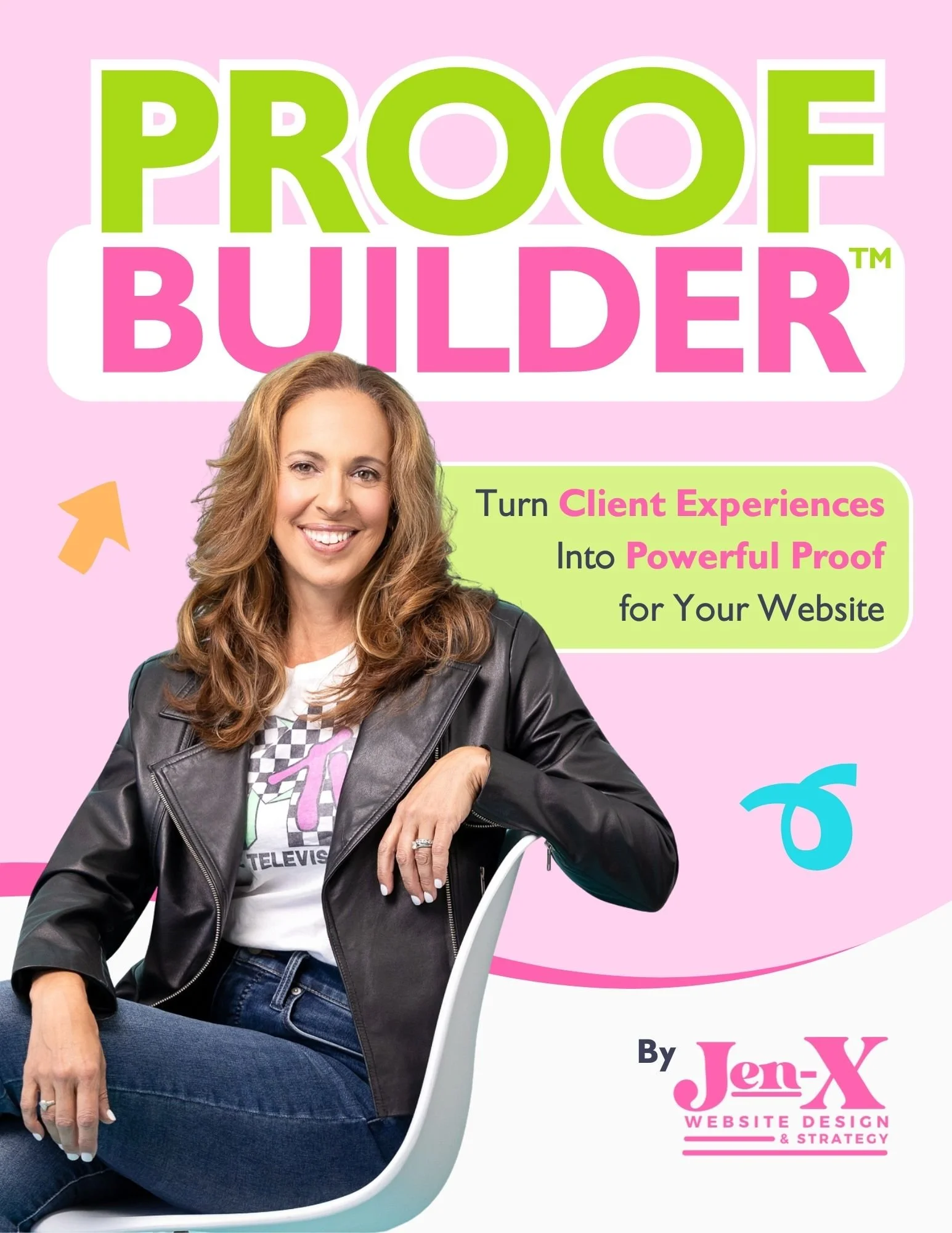
Most business owners know they should be collecting testimonials and client feedback, but they aren’t sure what to ask—or how to ask in a way that actually produces useful, credible proof. Vague requests lead to vague responses, and great client experiences often go undocumented.
That’s why I created Proof Builder—a strategic feedback system that shows you exactly what questions to ask, when to ask them, and how to turn real client responses into strong, trust-building testimonials.
Instead of awkward requests or unusable blurbs, you’ll walk away with clear, permission-based proof you can confidently use across your website and marketing.
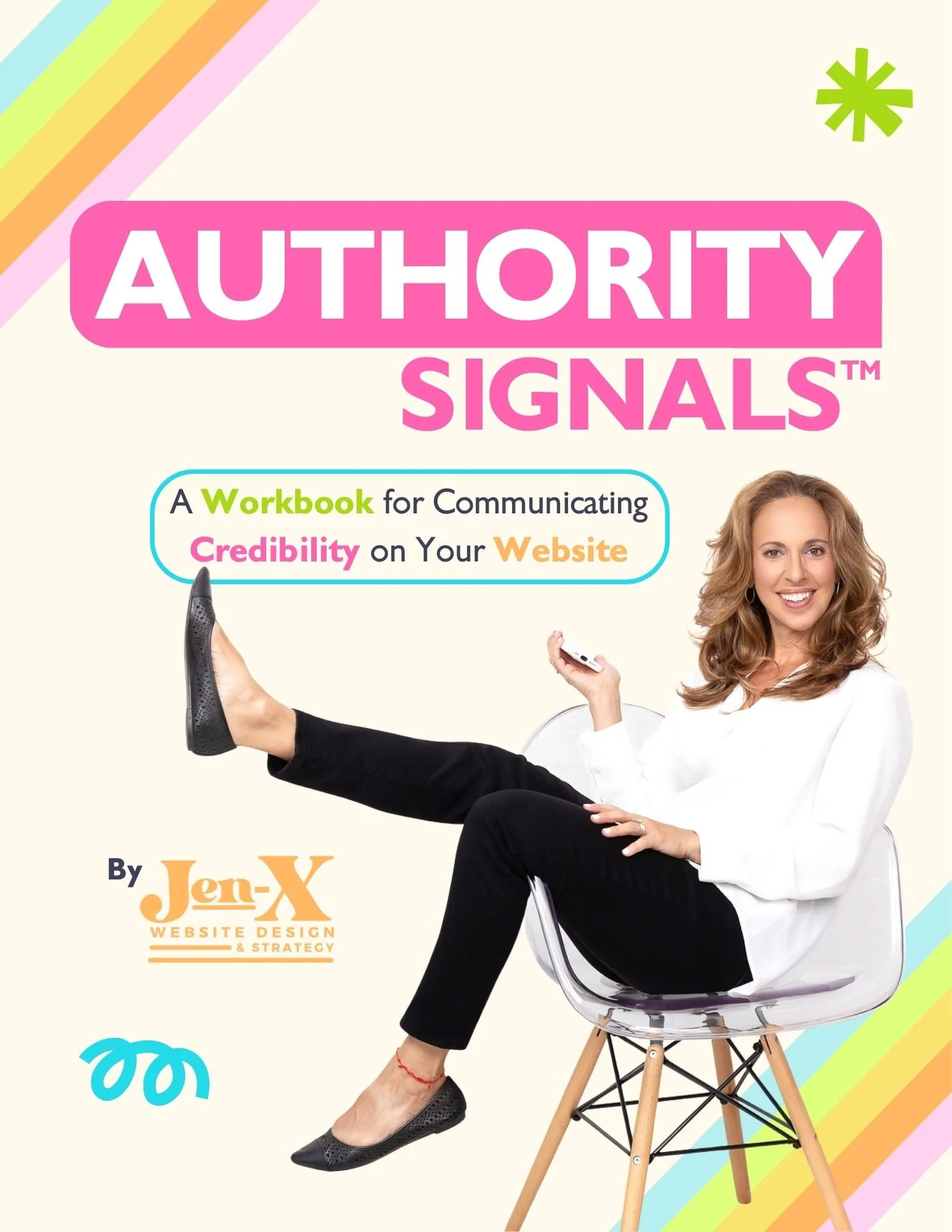
Most business owners already have credibility—but their website doesn’t always show it. Some overlook authority they didn’t realize they had. Others know their expertise but struggle to communicate it clearly in a way visitors can quickly understand.
That’s why I created Authority Signals—a practical, fill-in-the-blank workbook that helps you uncover the authority you may be missing and clarify how to convey the authority you already know you have, using proven website signals like testimonials, statistics, credentials, logos, awards, and press.
Instead of guessing what to say or overloading your site, you’ll identify the proof that actually matters—so visitors can recognize your value quickly and feel confident choosing you.
Final Thoughts
None of this requires cleverer copy. It requires reordering what you already know. Your list already knows who you are, so you don't need to spend a sentence reminding them. Whatever you're announcing has a reason to matter to the reader, or it wouldn't be worth sending, so say that reason out loud instead of assuming it's obvious.
Before your next sales email goes out, read the first two lines the way your subscriber will. If they're about you and what you're doing, rewrite them. If they're about your reader and what they're about to get out of the next ten seconds, send it.
This page contains affiliate links