Your lead magnet is finally working. People are finding your opt-in form, typing in their email address, and joining your list every single week.
Then the automated welcome sequence kicks in. Excited to make a strong impression, you send five long emails over six days packed with your origin story, links to a dozen old blog posts, and a heavy pitch for your main service package. Instead of booking calls, you watch your unsubscribe count climb and your open rates drop.
IN THIS POST YOU'LL LEARN:
Why cramming too much into week one ruins your long-term email engagement
The difference between giving a subscriber a quick win and handing them a stack of homework
A simple three-email welcome sequence that builds trust without crowding inboxes
How to guide new subscribers back to your website naturally
Why the “Information Dump" Backfires
When someone downloads a free checklist or mini-guide, they are looking for a fast answer to one specific problem. They did not sign up for a week-long crash course on everything your business has ever published.
Sending daily, wall-of-text emails right after someone opts in creates two big problems. First, it causes immediate inbox fatigue. When a brand floods someone's inbox before earning their attention, that person mentally files you away as noise and stops opening your messages. Second, cramming five different links into every email leaves readers paralyzed. When you ask someone to listen to a podcast, read three blog posts, and book a discovery call all in the same message, they usually close the tab and click nothing at all.
I saw this happen recently with a nutrition coach who had built a popular meal-prep checklist. Hundreds of people downloaded it, yet almost none of them booked her coaching packages. When we looked at her email automation, her very first email was nearly 1,200 words long, contained seven separate links, and ended with a hard pitch for a three-month program before the reader had even opened the PDF they came for. Once we trimmed her sequence down to three short, focused emails and gave people breathing room to actually use the checklist first, her reply rates jumped within two weeks.
A Simple 3-Email Welcome Sequence That Actually Gets Read
Your welcome sequence does not need to explain your entire business model. Its only job is to deliver what you promised, build a little familiarity, and show the reader one logical next step.
Email 1: Deliver the freebie right away (Day 0)
Send the download link or resource immediately with zero fluff. Keep the message short, let them know how often they can expect to hear from you going forward, and ask one simple question at the bottom—like what prompted them to grab the guide today. Getting a real reply in week one also signals to email providers that your messages belong in the primary inbox.
Email 2: Share one practical follow-up tip (Day 2)
Once they have had a couple of days to look over your freebie, send a brief note with one relatable insight or quick tip that builds on that exact topic. Include a single link pointing back to one helpful blog post on your website so they can keep reading if they want more context, without feeling pressured to buy anything yet.
Email 3: Show them how to take the next step (Day 5)
Now that you have delivered genuine value twice without asking for anything in return, introduce how you work with clients. Keep the tone warm and low-pressure, and offer one clear link to your primary services page or booking calendar for anyone who wants hands-on help implementing what they just learned.
FAQ
Q1: How many emails belong in a standard welcome sequence?
A1: Three to four emails spread across a week is plenty for most service-based businesses. That gives new subscribers enough touchpoints to remember who you are without feeling buried in notifications.
Q2: What is a healthy open rate for welcome emails?
A2: Welcome emails almost always get the highest engagement on your list, often landing between 50% and 60% because the subscriber just raised their hand for your topic. If your first email is dropping below 40%, test a clearer subject line or check that your confirmation email is sending right away.
Q3: How do I keep new subscribers from getting my regular weekly newsletter too early?
A3: Most email platforms, including Kit and Squarespace Email Campaigns, let you exclude subscribers from regular broadcasts while they are still moving through an automated sequence. Setting up a simple tag or filter ensures they finish your welcome emails before joining your normal weekly schedule.
Q4: Should I include my full bio in the first email?
A4: Save the long backstory for your website's About page. In your welcome emails, share just enough context so the reader understands why you know your stuff, then keep the spotlight firmly on solving their problem.

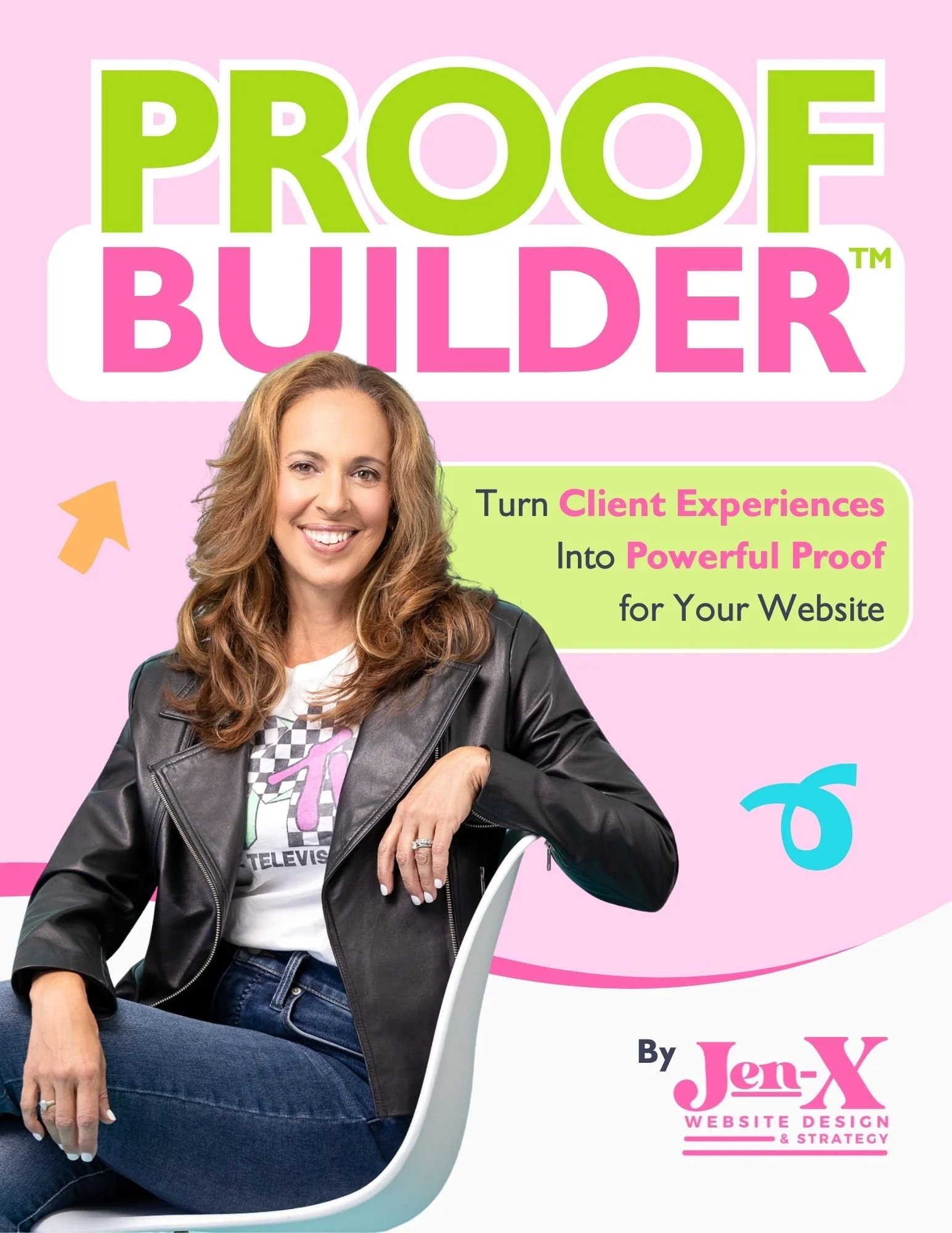
Most business owners know they should be collecting testimonials and client feedback, but they aren’t sure what to ask—or how to ask in a way that actually produces useful, credible proof. Vague requests lead to vague responses, and great client experiences often go undocumented.
That’s why I created Proof Builder—a strategic feedback system that shows you exactly what questions to ask, when to ask them, and how to turn real client responses into strong, trust-building testimonials.
Instead of awkward requests or unusable blurbs, you’ll walk away with clear, permission-based proof you can confidently use across your website and marketing.
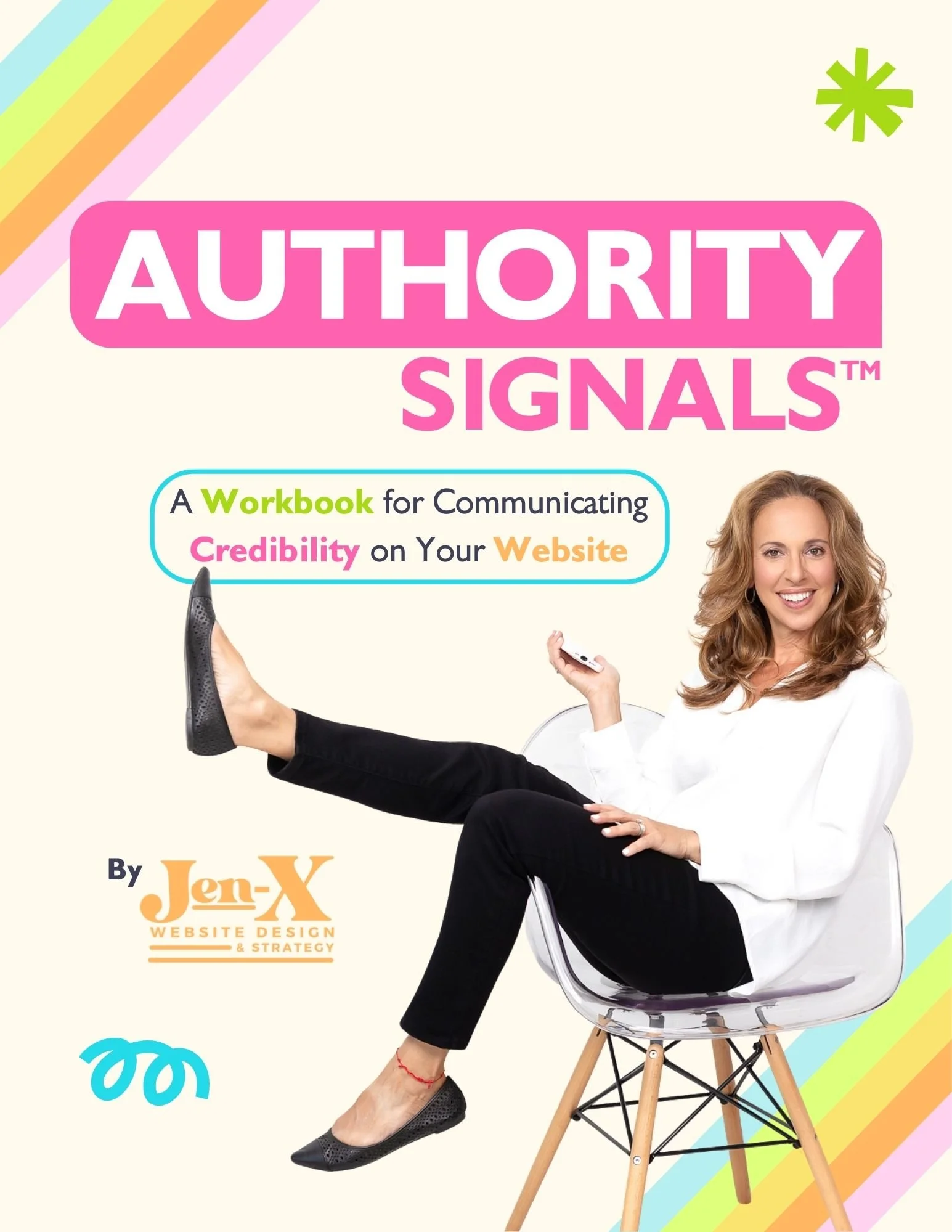
Most business owners already have credibility—but their website doesn’t always show it. Some overlook authority they didn’t realize they had. Others know their expertise but struggle to communicate it clearly in a way visitors can quickly understand.
That’s why I created Authority Signals—a practical, fill-in-the-blank workbook that helps you uncover the authority you may be missing and clarify how to convey the authority you already know you have, using proven website signals like testimonials, statistics, credentials, logos, awards, and press.
Instead of guessing what to say or overloading your site, you’ll identify the proof that actually matters—so visitors can recognize your value quickly and feel confident choosing you.
Final Thoughts
Your welcome emails set the tone for how subscribers treat every message you send after that. When you respect their inbox, deliver on your promise fast, and point them to one clear next step at a time, you turn casual freebie downloaders into readers who actually look forward to hearing from you.
👉 Want help connecting your website, lead magnets, and email strategy so they work together smoothly? Book a chat with Jen today →
This page contains affiliate links