How New Hampshire Businesses Can Use Blogging to Generate Leads
Blogging remains one of the most reliable ways for local businesses to attract new customers through search. When someone in New Hampshire looks for answers to a problem, Google often serves helpful articles before service pages. That means a well‑planned blog can introduce your business to potential customers long before they are ready to hire someone.
For New Hampshire businesses, blogging creates opportunities to show up in searches, demonstrate expertise, and guide readers toward becoming clients.
IN THIS POST YOU'LL LEARN:
Why blogging helps local businesses get discovered in search
How blog posts support SEO and long‑term website visibility
The types of blog topics that attract potential customers
How to turn blog readers into inquiries and leads
What makes blogging difficult for many businesses—and how to solve it

Why Blogging Still Works for Local Businesses
Most buying decisions start with research. People search Google when they are trying to understand a problem, compare options, or figure out what to do next. Blog articles allow your website to appear during that research phase.
Each article becomes another doorway into your website. Instead of relying only on your homepage or service pages, your business can show up for dozens—or even hundreds—of helpful search topics related to your services.
For example, a New Hampshire homeowner might search:
"how to choose a roofer in NH"
"how often septic systems should be pumped in New Hampshire"
"cost of kitchen renovation NH"
Businesses that answer those questions in blog posts are far more likely to be discovered.
FAQ
Q1: Does blogging still help with SEO?
A1: Yes. Search engines prioritize helpful content that answers real questions. Blog posts give your website more opportunities to appear in search results and help Google better understand what your business does, which strengthens the visibility of other pages on your website as well.
Q2: Is blogging useful for local businesses?
A2: Very much so. Local customers often research services online before contacting a business, and blog posts help your website appear during that research process.
How Blogging Helps New Hampshire Businesses Get Found Online
Search engines evaluate websites based on the depth and usefulness of their content. A blog allows your website to address many different questions related to your services.
For example, a contractor in New Hampshire might write posts about:
winter roof damage after heavy snow
how to prepare a home for New England storms
signs that a roof needs repair
Each of these topics targets a different search phrase. Over time, this builds a network of helpful content that search engines can recommend to people looking for answers.
Consistent blogging also signals that your website is active and regularly updated, which supports long‑term visibility in search results.
FAQ
Q1: How many blog posts does a business need?
A1: The more frequently you publish helpful content, the better. Consistency matters most, but every post should provide real value to readers.
Q2: How long does it take blog posts to bring traffic?
A2: Blog posts typically gain traction over several months as search engines index and evaluate the content. Unlike social media posts that disappear quickly, blog articles are evergreen and can continue bringing visitors to your website for years.

What New Hampshire Businesses Should Actually Blog About
One of the biggest challenges businesses face is deciding what to write about. The most effective blog topics answer questions customers already have.
Strong blog topics often include:
common questions customers often ask
what to expect from a service
cost factors
comparisons between options
guidance for solving a problem
Here are a few examples of the types of articles a local business might publish:
Factors to Consider when Choosing a Realtor in New Hampshire
Health Benefits of Buying Produce at a Local Farm Stand in NH
What Happens to the Money You Donate to a New Hampshire Nonprofit?
Articles like these attract readers who are actively researching solutions.
Turning Blog Readers Into Leads
A blog brings visitors to your website, but the website still needs a clear path for readers to take the next step.
Effective blog posts guide readers toward actions such as:
scheduling a consultation
requesting a quote
joining an email list
downloading a helpful resource
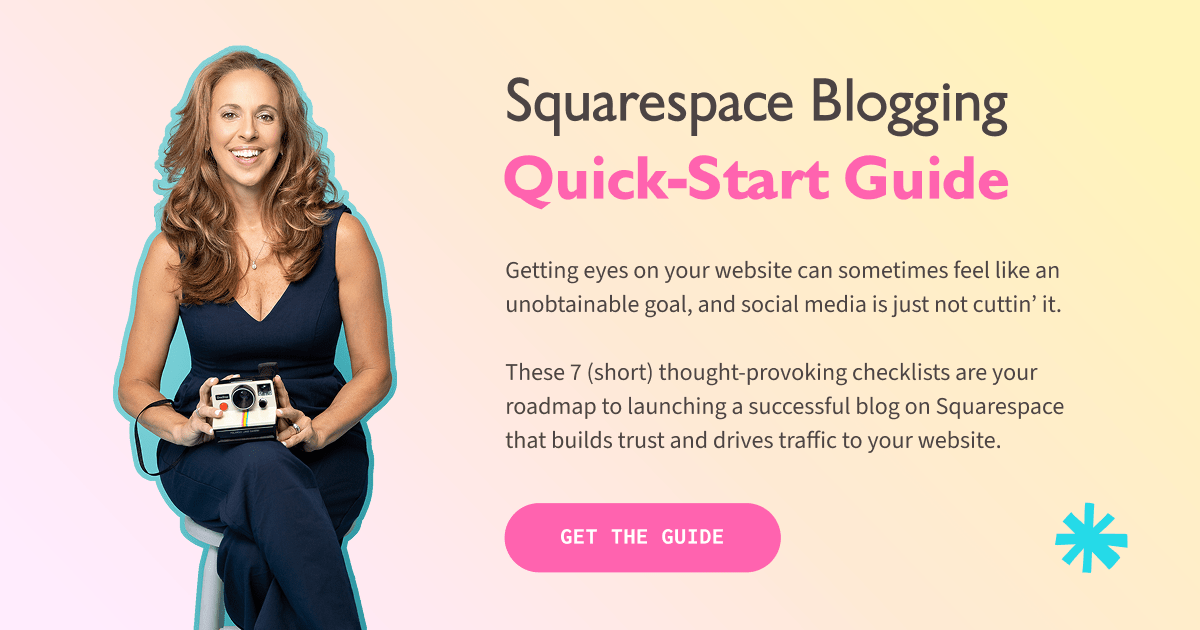
Calls to action should be convenient and helpful, not pushy or salesy. A sidebar is a great place for these, since readers can easily see ways to take the next step without interrupting the flow of the article. It is also a smart place to introduce yourself, since many people who land on a blog post may have no idea who you are.
Some other great ways to include calls to action are:
Link to a helpful lead generator related to the topic (for example, a checklist, guide, or resource)
Link to a product or course that expands on the topic of the post
Invite readers to schedule a consultation or strategy call
Encourage readers to join your email list or newsletter for additional tips and resources
You can also take a look around this blog to see how these ideas work in practice. Notice where resources are linked, how calls to action appear throughout the article, and how the sidebar introduces helpful next steps for readers.
FAQ
Q1: Do blog posts generate leads directly?
A1: They often introduce potential customers to your business first. When paired with strong calls to action, blog posts can guide readers toward joining your email list—one of the best ways to begin building a relationship and stay connected until they are ready to reach out.
Q2: Should every blog post include a call to action?
A2: Yes. You don’t want to squander this opportunity to capture a lead. Offering helpful free resources in exchange for an email address is one of the most effective ways to turn a reader into a contact you can stay connected with.

The Hardest Part of Blogging for Most Businesses
Many business owners begin a blog with enthusiasm but struggle to keep it going. The challenge usually is not writing ability—it is the time and planning required to maintain a consistent strategy.
Common obstacles include:
deciding what topics to write about
finding time to write posts
structuring articles for search visibility
formatting and publishing posts correctly
maintaining a consistent schedule
Without a clear system, blogging can quickly fall to the bottom of a busy business owner's to‑do list.
How I Help Businesses Use Blogging to Attract Clients
Blogging becomes far more effective when it is part of a larger website strategy. Planning topics, structuring posts for search visibility, and maintaining a consistent schedule can turn a blog into a steady source of website traffic.
This is exactly the work I help businesses with.
Depending on the situation, that may include:
blog topic planning
structuring posts for SEO
publishing and formatting blog content
helping businesses stay consistent with a blogging schedule
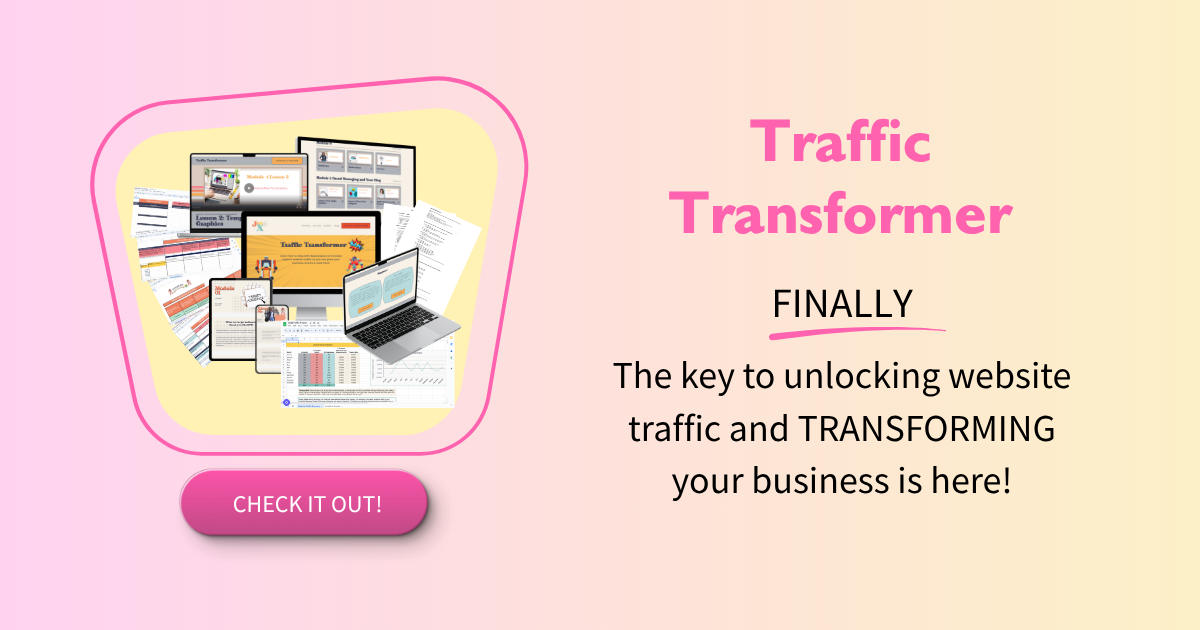
For business owners who want a deeper understanding of how blogging supports website traffic, my course Traffic Transformer walks through the entire process step by step.
If you would like help building a blog strategy that supports your business goals, you can schedule a free discovery call to discuss the next steps.
FAQ
Q1: Is planning blog content difficult?
A1: It used to be for me, but I developed a system that is so efficient that I can plan a year's worth of blog content in about an hour.
Q2: How would I find the time to blog?
A2: You’d be surprised how much faster blogging becomes when your content is already planned and when you realize what a blog really is—your expertise. You already know this information, and blogging is simply sharing it with the people who are looking for it.

Final Thoughts
Blogging can be one of the most effective ways to attract the right people to your website, share your expertise, and begin building trust with potential clients. Over time, those helpful articles continue working for you—bringing visitors to your site long after they are published.
If you’d like help planning blog topics, structuring posts for SEO, or creating a blogging strategy that supports your business goals, you’re welcome to schedule a free discovery call. We can talk through your website, your audience, and how blogging could work as part of your overall strategy.
If you use Squarespace and prefer to learn how to do it yourself, my course Traffic Transformer teaches a complete blogging system designed specifically for Squarespace websites.
This page contains affiliate links