There's No Such Thing as a "Simple Website"
People say it like it's the easiest ask in the world: "I just want a simple website." Usually what they mean is one page, minimal design, nothing fancy. Here's the part nobody tells them going in: going simple doesn't save what they think it saves, and it usually costs more than they realize.

Just How Simple Is a "Simple" Website?
Sure, fewer pages means less time spent building pages. But here's what still has to happen for a one-page site, exactly the same as it does for a fifteen-page site:
SEO optimization on every page you do have
Keyword research, if you actually want the page to be found
Google Business Profile optimization
Compelling SEO titles and descriptions
Social sharing graphics
A working, optimized blog, if the client wants one
Client training so they can actually update the site themselves
Email service provider connection
At least one lead generator
Getting the site indexed by Google
Optimized images so the page loads fast
Alt text on every image
Brand boards and a logo, if the client doesn't already have one
None of that shrinks because the site has one page instead of ten. Keyword research doesn't get faster. Google Business Profile setup doesn't get faster. Teaching a client how to log in and make an edit doesn't get faster. You're doing the same strategic and technical work, just pointing it at fewer pages.
What a One-Page Site Actually Costs You
A one-page site can work fine for some businesses, especially ones that get most of their leads through referrals rather than search. But if part of the goal is getting found on Google, going with a single page works against you before the site is even live.
Search engines rank pages, not websites. Every additional page is a separate shot at a different search term, whether that's your main service or a question a blog post answers. A multi-page site has several chances to match what someone actually types into Google. A one-page site has one shot, trying to cover everything at once and usually ranking well for none of it.
That's the part people miss when they think "simple" saves them money. It doesn't save much. Go back to the list above. Almost none of it shrinks just because the page count does. The only thing that really gets smaller is the time spent designing pages, and that's a small slice of the total project. What actually gets cut is search visibility, on the one channel most small businesses can't afford to skip.
If You're Reading This and Thinking You Don't Need Any of This
If you got through that list and thought, I don't need any of that, you're probably someone who could build your own website. Modern site builders make the actual construction easy. Anyone can drag a photo into place and type in a headline.
The work in this post isn't the part you can see on the page. It's the strategy behind why the words say what they say and the technical setup that gets the page found and working after launch. That's what a DIY build usually skips, and it's what decides whether the site actually does anything for the business.
FAQ
Q1: Does a one-page website hurt my SEO?
A1: It doesn't help it. Google ranks individual pages, so a one-page site only gets one shot at ranking for whatever that page covers. Add pages targeting different services, locations, or questions and you give Google more chances to match you with a search.
Q2: Can I add pages to my site later if I start with just one?
A2: Yes, plenty of people do. Just know that adding pages later means doing the SEO work at that point, not skipping it. Every new page still needs its own keyword research, titles, and optimization.
Q3: How much time does going from one page to five actually save?
A3: Less than people assume. Building the pages themselves does take longer with more of them. But the strategy and setup behind the pages, the part that takes the most time, happens at about the same pace no matter how many pages you have.
Q4: Can I really build my own website?
A4: Yes. Site builders have made the actual construction accessible to anyone. What's harder to DIY is everything underneath it, like the strategy and the systems that turn visitors into leads. That's usually where DIY sites fall short, not in how they look.
If That Sounds Like More Than You Want to Take On
That's what I'm here for. Someone who already knows how to do all of this can just handle it, so you don't have to learn it yourself. [ See How I Can Help ]
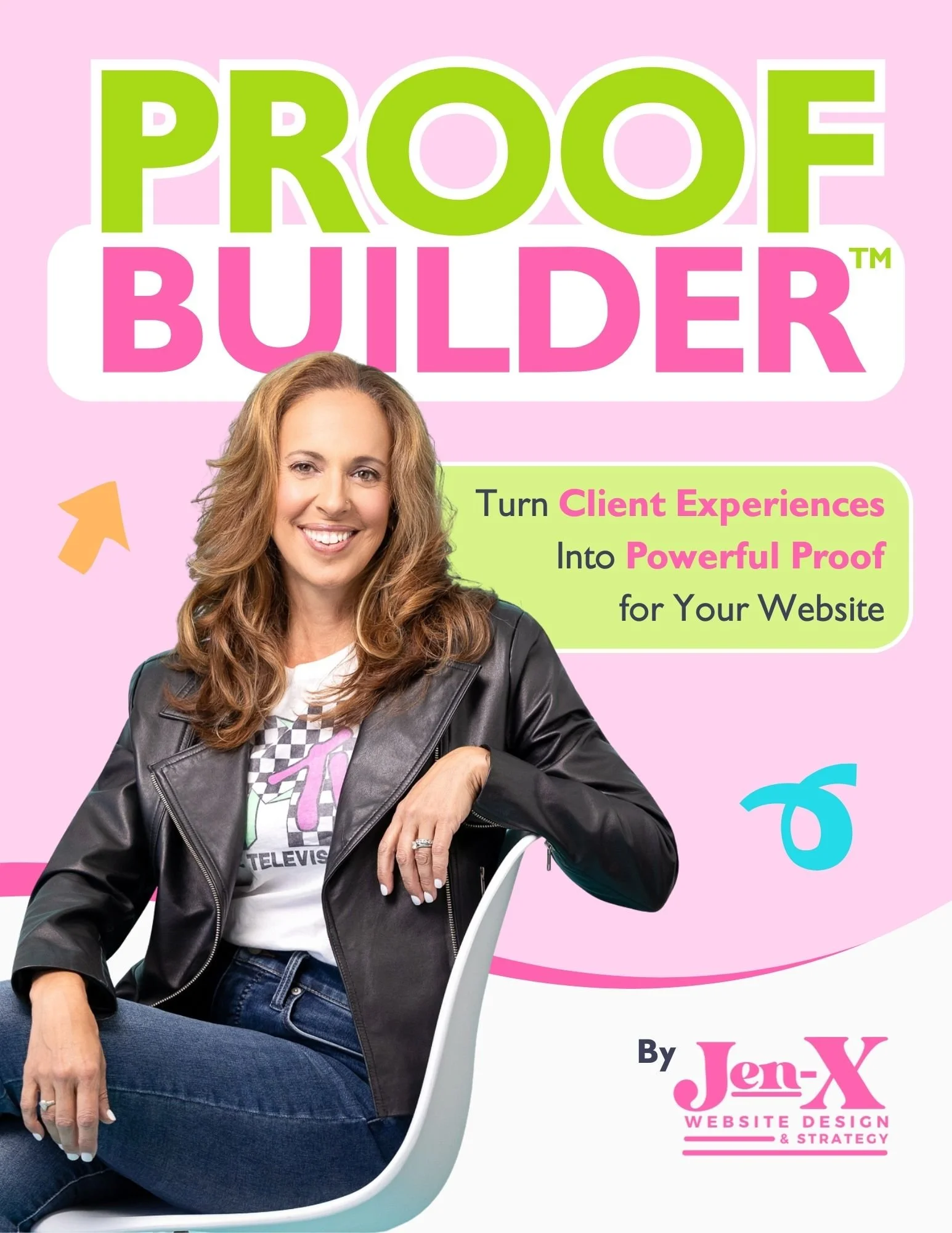
Most business owners know they should be collecting testimonials and client feedback, but they aren’t sure what to ask—or how to ask in a way that actually produces useful, credible proof. Vague requests lead to vague responses, and great client experiences often go undocumented.
That’s why I created Proof Builder—a strategic feedback system that shows you exactly what questions to ask, when to ask them, and how to turn real client responses into strong, trust-building testimonials.
Instead of awkward requests or unusable blurbs, you’ll walk away with clear, permission-based proof you can confidently use across your website and marketing.
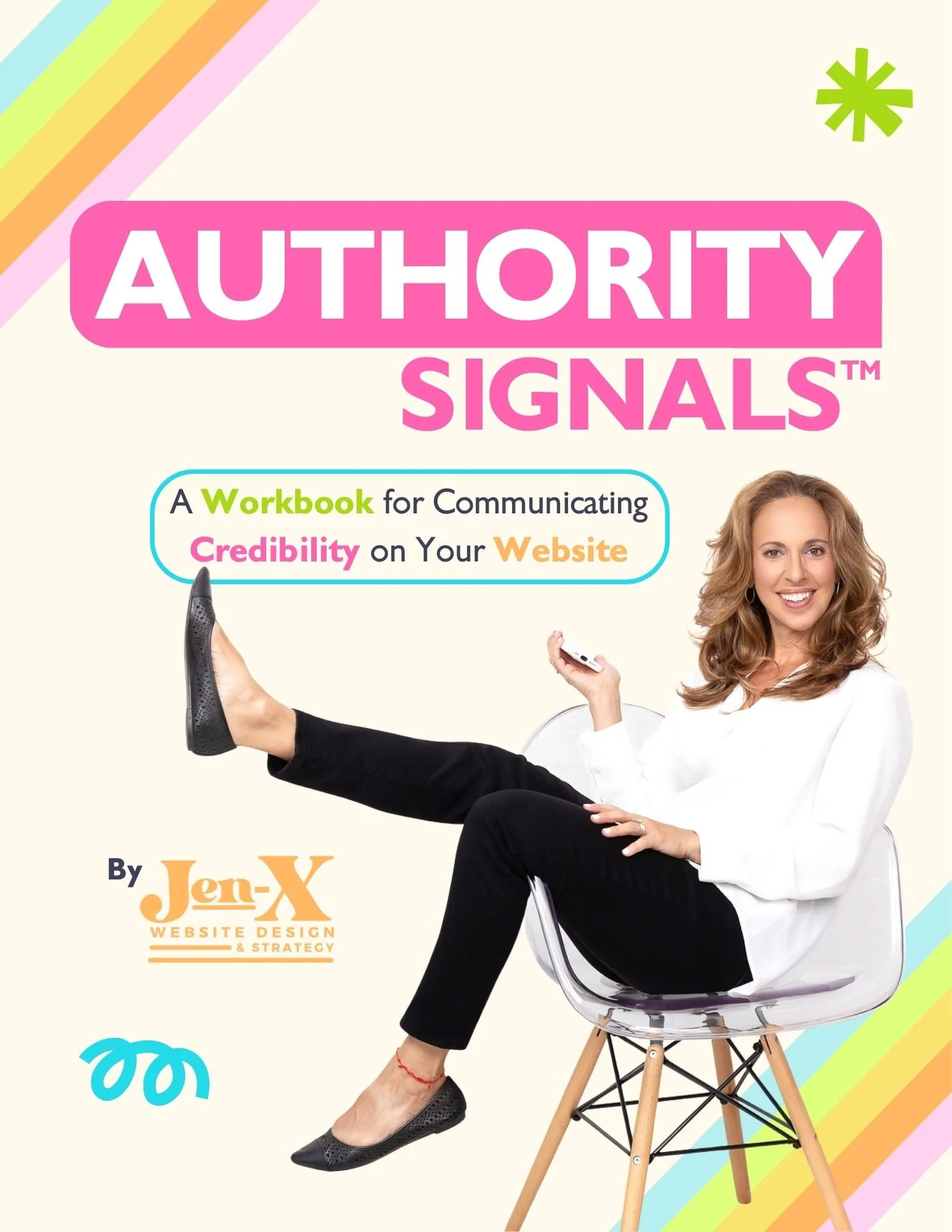
Most business owners already have credibility—but their website doesn’t always show it. Some overlook authority they didn’t realize they had. Others know their expertise but struggle to communicate it clearly in a way visitors can quickly understand.
That’s why I created Authority Signals—a practical, fill-in-the-blank workbook that helps you uncover the authority you may be missing and clarify how to convey the authority you already know you have, using proven website signals like testimonials, statistics, credentials, logos, awards, and press.
Instead of guessing what to say or overloading your site, you’ll identify the proof that actually matters—so visitors can recognize your value quickly and feel confident choosing you.
This page contains affiliate links